
Why E-commerce Retention in 2026 Is All About AI Agents and Transactional Intelligence, not Discounts
The Black Friday/Cyber Monday numbers are in, and they're telling a story that should make every e-commerce leader rethink their retention playbook. According to Triple Whale's recent report on record BFCM engagement, brands that leaned into AI-powered, margin-aware retention strategies absolutely crushed it, while those stuck in the old discount-heavy approach got left behind.
Here's the thing: we're not just talking about a minor shift in tactics. We're looking at a complete transformation of how successful brands think about keeping customers. And spoiler alert, it's got nothing to do with slashing prices and everything to do with getting smart about customer behavior.
The Great Discount Trap (And Why Smart Brands Are Escaping)
Let's be real for a second. The discount game is broken. When everyone's throwing around 40% off codes like confetti, you're not building loyalty, you're training customers to wait for the next sale. It's a race to the bottom that kills margins and creates fair-weather customers who'll jump ship the moment a competitor offers a better deal.

The data backs this up big time. Companies focusing on precision engagement over price cuts are seeing retention rates that make traditional discount-driven strategies look like amateur hour. Why? Because they're solving real problems instead of just making things cheaper.
Think about it this way: when was the last time a discount made you genuinely love a brand? Probably never. But when a company anticipates your needs, remembers your preferences, and delivers exactly what you want before you even ask? That's the kind of experience that creates lifelong customers.
Enter the AI Agent Revolution
This is where things get really exciting. McKinsey's latest research on agentic commerce predicts that by 2030, AI agents could be driving $1 trillion in US B2C retail. We're talking about a complete reimagining of how customers interact with brands, and retention is at the heart of it all.
AI agents aren't just fancy chatbots. They're sophisticated systems that understand your customers' transactional patterns, predict their behavior, and take proactive action to keep them engaged. They're like having a mind-reader on your team who never sleeps and gets smarter every day.
Here's what this looks like in practice: instead of sending a generic "20% off" email to everyone who hasn't purchased in 30 days, an AI agent might recognize that Sarah typically buys skincare products every 6 weeks, notice she's now at week 8, and send her a personalized message about a new serum that complements her previous purchases, maybe with free shipping instead of a discount.
The difference? Sarah feels understood, not marketed to. And understanding is what builds real loyalty.
Transactional Intelligence: The Secret Sauce
Now let's talk about transactional intelligence, arguably the most game-changing concept in retention right now. This isn't just about tracking what people buy. It's about understanding the why, when, and how behind every interaction.

Companies like Rezolve AI are making massive moves in this space. Their recent $90M acquisition of Crownpeak shows how seriously the market is taking AI-powered transactional intelligence. They're not just processing transactions, they're extracting insights that would make traditional analytics tools weep with envy.
Transactional intelligence means knowing that when customers buy product A and B together, they're 73% more likely to need service C within two weeks. It means recognizing that customers who engage with your content on Thursdays have a different lifetime value than those who engage on Mondays. It means understanding that a customer's purchase timing patterns can predict their likelihood to churn with scary accuracy.
This level of insight transforms retention from reactive firefighting to proactive relationship building. You're not waiting for customers to leave, you're predicting who might leave and why, then addressing those concerns before they become problems.
The Precision Engagement Playbook
So what does precision engagement actually look like? It's the opposite of spray-and-pray marketing. Instead of blasting everyone with the same message, you're delivering hyper-relevant experiences that feel almost telepathic.
Take loyalty programs, for instance. The old model was simple: spend money, get points, redeem for discounts. Boring and transactional. The new model uses AI to understand what each customer actually values. Maybe Lisa doesn't care about discounts but goes crazy for early access to new products. Maybe Marcus loves community features and behind-the-scenes content. Maybe Jennifer just wants hassle-free returns and priority customer service.
AI agents can identify these preferences automatically by analyzing behavior patterns, then deliver personalized rewards that actually matter to each individual. It's like having a personal concierge for every single customer, which, let's face it, is pretty much what Amazon's been doing to dominate retail.
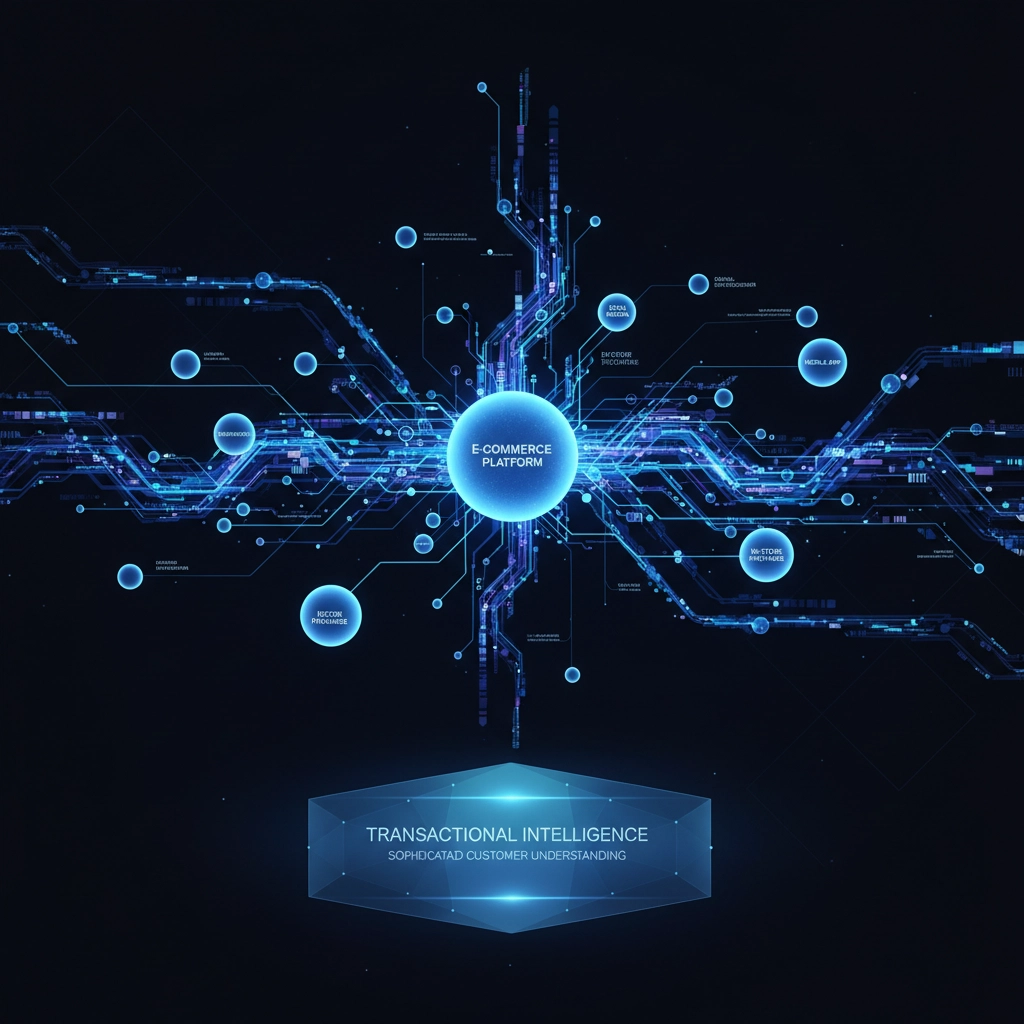
The beauty of this approach is that it creates genuine differentiation. Anyone can copy your pricing, but they can't copy the deep behavioral insights you've built about your specific customer base. That's your competitive moat right there.
Real-World Applications That Actually Work
Let's get specific about how this plays out in the real world. Companies implementing AI-driven retention strategies are seeing some pretty jaw-dropping results:
Predictive Churn Prevention: Instead of waiting for customers to cancel, AI systems identify early warning signs, like decreased engagement, changed purchasing patterns, or support ticket history, and trigger personalized intervention campaigns. We're talking about preventing churn before customers even know they're unhappy.
Dynamic Content Optimization: Every email, every product recommendation, every piece of content gets optimized based on individual behavior patterns. The same promotion might emphasize convenience for busy customers, sustainability for environmentally conscious ones, or performance for power users, all automatically.
Behavioral Trigger Campaigns: AI agents monitor hundreds of behavioral signals and trigger perfectly timed communications. A customer browsing but not buying might get a helpful guide. Someone who bought but isn't using the product gets onboarding support. A power user gets advanced tips and exclusive features.
The key insight from our guide to AI-powered customer retention is that this isn't about replacing human insight, it's about amplifying it. The best retention strategies combine AI's pattern recognition capabilities with human understanding of what customers actually value.
The Trust Factor in an AI-Driven World
Here's something interesting that McKinsey's research highlighted: as AI agents become more capable of making purchasing decisions on behalf of customers, trust becomes even more critical. If an AI agent is going to automatically reorder your favorite coffee or suggest new products, it better understand your preferences perfectly.
This creates a massive opportunity for brands that get retention right. When your AI systems truly understand a customer's needs and consistently deliver value, that customer becomes incredibly sticky. They're not just loyal to your products, they're invested in the intelligence you've built around their specific needs.

Think about how hard it would be to switch away from a system that knows exactly when you need to reorder, what products work best for your specific situation, and can predict your needs before you articulate them. That's not just customer retention, that's customer integration.
The 2026 Retention Checklist
If you're serious about winning at retention in 2026, here's what needs to be on your radar:
Build Behavioral Intelligence: Start collecting and analyzing the behavioral signals that actually predict customer lifetime value. Purchase timing, engagement patterns, support interactions, it all matters.
Implement Predictive Systems: Don't wait for customers to tell you they're unhappy. Use AI to identify at-risk customers and intervene proactively.
Personalize Beyond Demographics: Move past "Hi [First Name]" to true behavioral personalization that understands individual preferences and contexts.
Create Value-Driven Loyalty: Design programs that reward customers with what they actually want, not just discounts on what you want to sell.
Integrate Across Channels: Ensure your AI agents can deliver consistent, intelligent experiences whether customers interact via email, SMS, app, or in-store.
The companies getting this right aren't just seeing better retention numbers: they're building sustainable competitive advantages that compound over time. Every interaction teaches their systems something new about customer behavior, making them smarter and more valuable to customers.
The Bottom Line
The shift from discount-driven to intelligence-driven retention isn't just a trend: it's the new table stakes for e-commerce success. Companies like Triple Whale, Rezolve AI, and countless others are proving that when you understand your customers deeply enough to anticipate their needs and protect margins, you create loyalty that price-based competitors simply can't touch.

The question isn't whether AI agents and transactional intelligence will reshape retention: it's whether you'll be leading that transformation or playing catch-up. Because in 2026, the brands that win won't be the ones with the best discounts. They'll be the ones with the smartest systems and the deepest customer understanding.
And honestly? That's a much more interesting game to play.
For more insights on how AI is transforming customer relationships, check out how AI is revolutionizing product management and discover the tools that are making this intelligence-driven approach possible.
The future of retention is here. The question is: are you ready to embrace it?