
Are You Still Using Basic Customer Segmentation? Why 85% Precision AI Beats Traditional Methods Every Time

Picture this: You're still dividing your customers into buckets labeled "Male 25-35" and "Female 40-50" while your competitors are using AI that knows exactly which customer is about to churn, what they'll buy next, and when they're most likely to convert. Guess who's winning?
If you're still relying on basic demographic segmentation, you're essentially bringing a knife to a gunfight. The game has changed, and traditional customer segmentation isn't just outdated: it's actively hurting your bottom line.
The Death of "One-Size-Fits-All" Demographics
Here's the brutal truth: your grandmother's approach to customer segmentation is costing you serious money. Traditional methods that slice customers by age, gender, and zip code? They're about as effective as using a flip phone to compete with smartphones.
Why demographics fail spectacularly:
- They're static and stale - By the time you've analyzed last quarter's data, customer preferences have already shifted
- They miss the real signals - A 30-year-old tech executive and a 30-year-old teacher might share an age bracket, but their buying behaviors are worlds apart
- Everyone's doing the same thing - When every competitor targets the same demographic segments, you're all fighting over the same customers with identical offers
The result? Generic campaigns that feel like spam, astronomical customer acquisition costs, and retention rates that make you want to hide under your desk.

Enter the AI Revolution: Precision That'll Blow Your Mind
Forget everything you thought you knew about customer segmentation. AI-powered approaches aren't just better: they're operating in a completely different universe of accuracy and effectiveness.
Modern AI segmentation analyzes hundreds of data points simultaneously:
- Real-time browsing behavior
- Purchase timing patterns
- Social media engagement
- Customer service interactions
- Email open rates and click patterns
- App usage frequency
- Seasonal buying trends
But here's where it gets really exciting: AI doesn't just categorize customers: it predicts what they'll do next with jaw-dropping accuracy.
The 85% Precision Advantage: What This Means for Your Business
When we talk about 85% precision in AI segmentation, we're talking about a system that correctly identifies customer behavior and preferences 85 out of 100 times. Compare that to traditional demographic segmentation, which typically hovers around 40-50% accuracy, and you're looking at nearly doubling your targeting effectiveness.
This precision translates to:
- Conversion rates that skyrocket - When you know exactly what customers want and when they want it
- Retention rates that actually make sense - Predict churn before it happens and intervene with laser-targeted campaigns
- Marketing spend that pays off - Stop wasting budget on customers who'll never convert
- Customer lifetime value that climbs - Serve the right products at the perfect moments

Real-World AI Segmentation in Action
Let's get concrete about what AI segmentation actually looks like in practice:
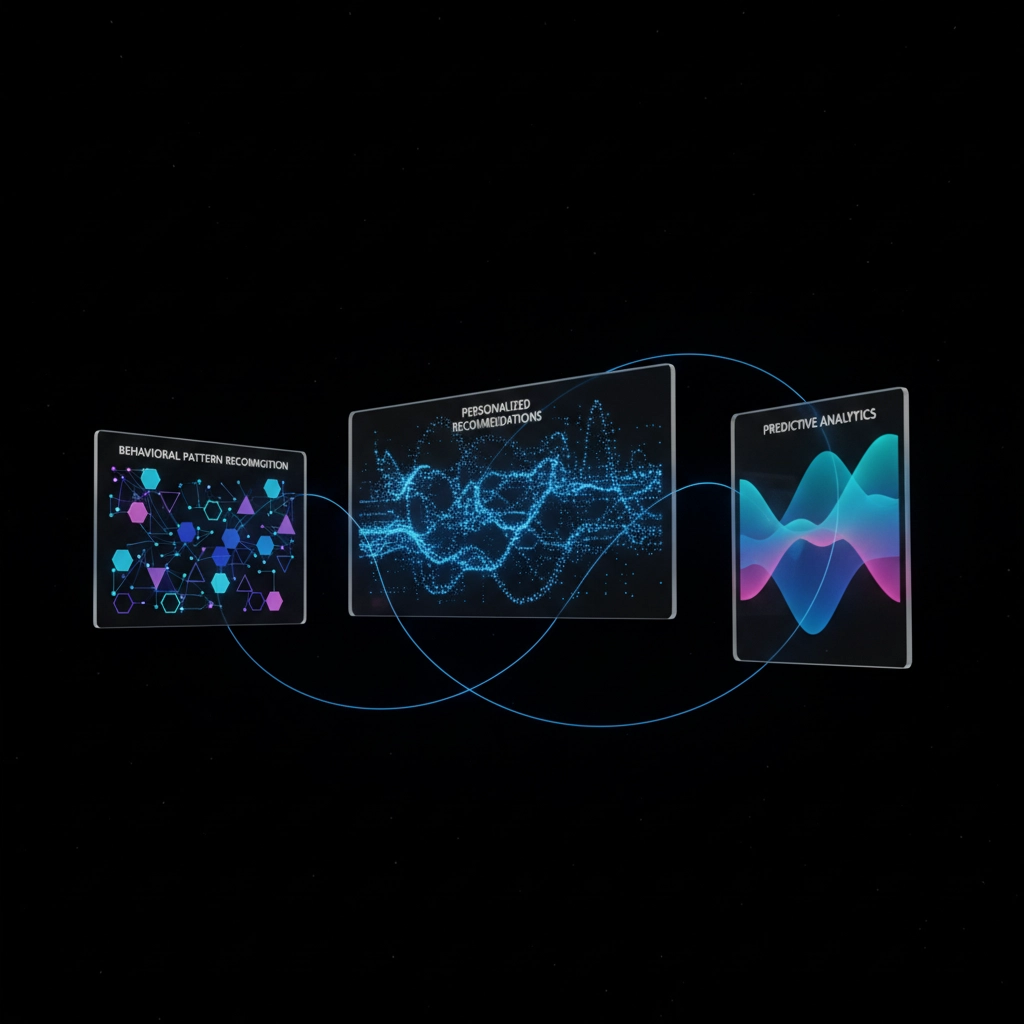
Behavioral Pattern Recognition:
Instead of "females aged 25-35," AI creates segments like "frequent mobile browsers who abandon carts on weekends but convert on Tuesday mornings after email reminders." That's actionable intelligence you can bank on.
Predictive Lifecycle Mapping:
AI identifies customers at different stages of their journey: not based on demographics, but on actual behavior patterns. It spots the "about to churn" signals weeks before traditional methods even notice something's wrong. Pro tip: Layer Kano Analysis to classify features into must-be, performance, and delighters so your predictive segments prioritize what actually drives satisfaction—not just clicks.
Dynamic Micro-Segmentation:
While traditional segmentation creates static groups, AI builds micro-segments that shift in real-time. A customer might move from "price-sensitive browser" to "ready-to-buy premium" based on recent interactions.
Cross-Channel Intelligence:
AI connects the dots between a customer's email engagement, social media activity, website behavior, and purchase history to create incredibly detailed behavioral profiles.
The Traditional vs. AI Showdown
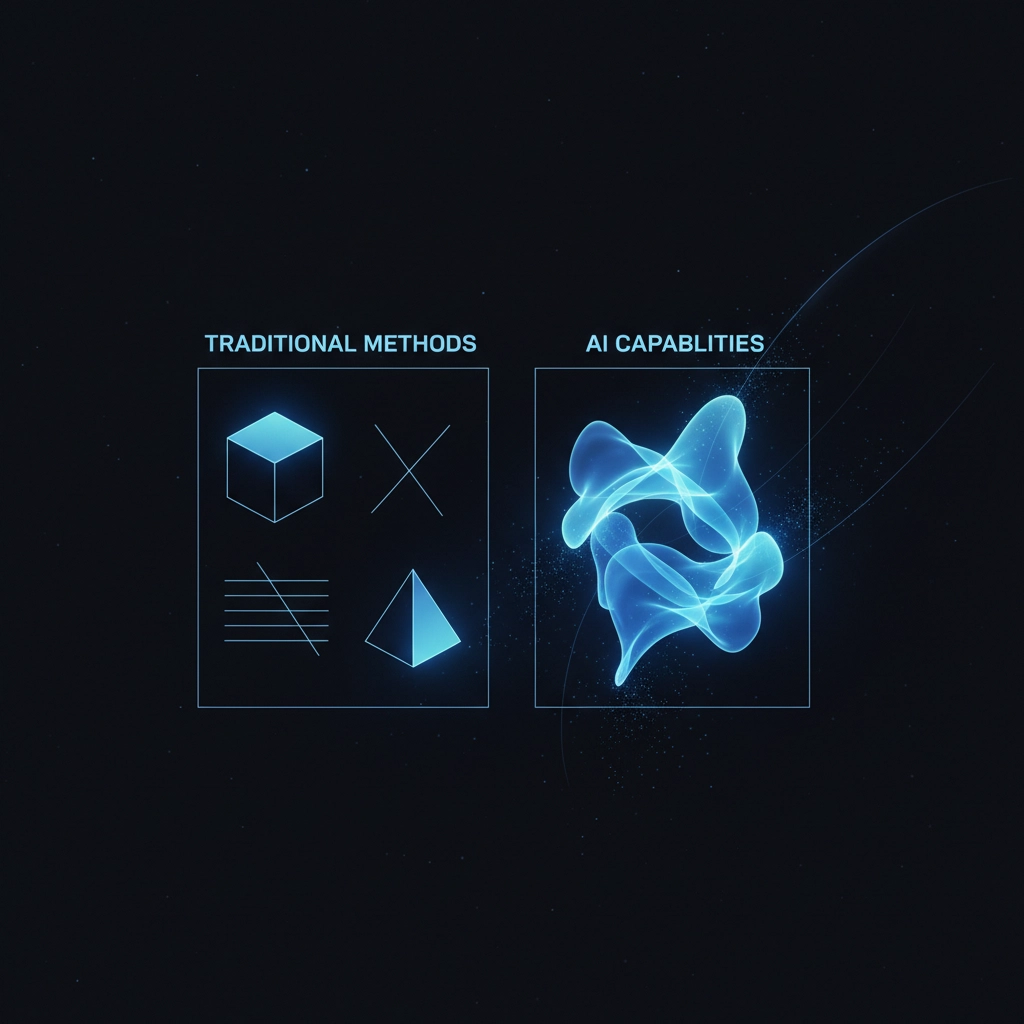
| Traditional Segmentation | AI-Powered Segmentation |
|---|---|
| Based on demographic assumptions | Driven by actual behavior data |
| Static, updated quarterly | Dynamic, updates in real-time |
| Broad, generic segments | Precise micro-segments |
| Reactive to past purchases | Predictive of future actions |
| One-size-fits-segment approach | Individual-level personalization |
| Manual analysis required | Automated insights and actions |
The difference isn't just incremental: it's transformational. Companies making the switch report conversion improvements of 200-400% and customer acquisition costs dropping by 30-50%.
Why Your Competitors Are Already Moving
Smart brands aren't waiting around. They're ditching demographic guesswork for AI precision, and the results are staggering:
Netflix doesn't care if you're a 35-year-old accountant. They care that you binged three crime documentaries last week and typically watch content on Sunday evenings. Their recommendation engine generates 80% of viewer engagement.
Amazon isn't interested in your zip code. They're tracking that you viewed running shoes yesterday, bought protein powder last month, and typically make fitness-related purchases on Monday mornings after reading health newsletters.
Spotify doesn't segment by age groups. They know you're in a "discover new music" mood every Thursday around 2 PM and tend to skip songs after 30 seconds unless they match your workout playlist vibe.
The Implementation Reality Check
"But isn't AI segmentation too complex for us?" Wrong question. The real question is: "Can we afford NOT to implement AI segmentation?"
The tools exist right now. The data is already in your systems. What's missing is the decision to stop accepting mediocre results from outdated methods.
Modern AI segmentation platforms make implementation straightforward:
- Plug-and-play integration with existing marketing stacks
- Automated data processing that handles the heavy lifting
- Real-time insights delivered through intuitive dashboards
- Actionable recommendations that your marketing team can execute immediately
The Cost of Staying Behind
Every day you delay implementing AI segmentation, you're leaving money on the table. Not just a little money: we're talking about:
- Lost revenue from mis-targeted campaigns
- Wasted ad spend on irrelevant audiences
- Declining customer satisfaction from generic experiences
- Competitive disadvantage as AI-powered competitors capture market share
The companies that embrace AI segmentation today will dominate their markets tomorrow. The companies that don't? They'll be wondering what happened to their customer base.
Your Next Move: Stop Guessing, Start Knowing
The era of demographic guesswork is over. Your customers aren't waiting for you to figure this out: they're already being courted by competitors who understand them better through AI precision.
The question isn't whether AI segmentation will replace traditional methods. It already has. The question is how quickly you'll catch up.
Ready to ditch the demographic guesswork and join the AI revolution? The future of customer segmentation isn't coming: it's here, and it's delivering 85% precision that turns marketing from expensive guesswork into profitable science.
Your customers are complex, dynamic individuals with unique behaviors and preferences. Isn't it time your segmentation strategy reflected that reality?
The AI advantage is waiting. The only question left is: will you claim it, or will your competitors claim your customers first?
Want more playbooks and deep dives on next-gen retention and segmentation? Explore ideas.niti.ai: https://ideas.niti.ai/